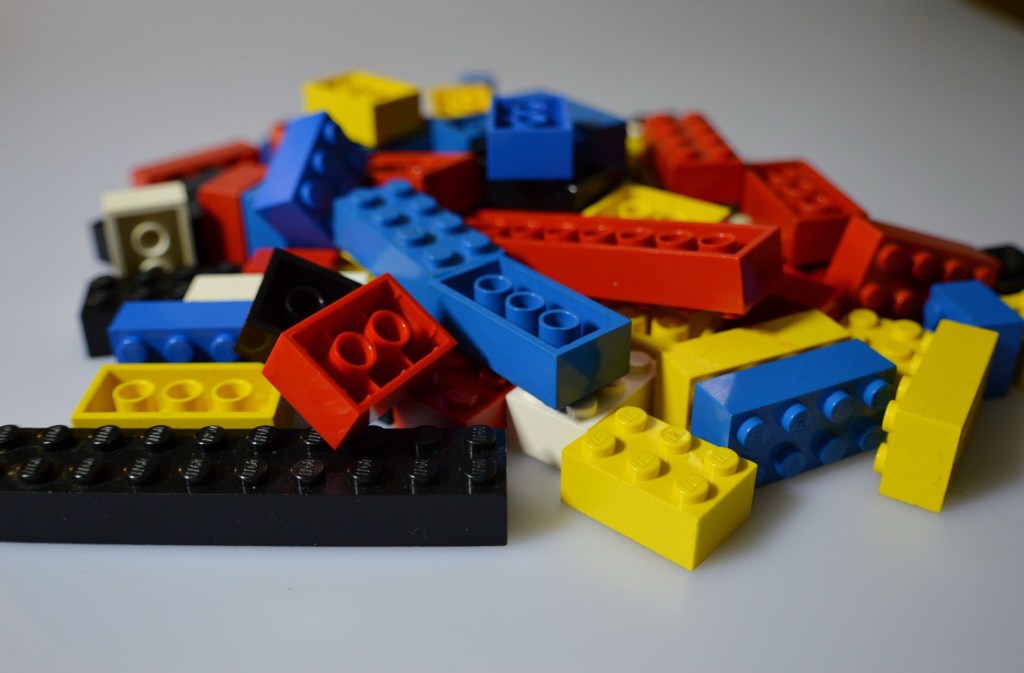
There is a specific kind of frustration that only comes from working hard on something and watching it go nowhere. Most of us felt it for the first time as kids. You opened a box, dumped out the pieces and decided the instructions were optional. You already had a picture on the box, how hard could it be? An hour later the thing is half built, nothing is connecting the way it should and somewhere in the pile is a piece that was supposed to go in first. You did not skip a step because you were lazy. You skipped it because you were eager and confident and completely certain the effort alone would be enough.
The same pattern follows most of us into adulthood and it is a lot harder to spot when the stakes are higher. It shows up in the goal you have been working toward for months that never seems to get any closer. The effort is real, the intention is there. But somewhere underneath it is a step that was supposed to come first and because it never got handled, everything built on top of it is sitting on an unstable foundation. The instinct is to push harder or recommit but when the sequence is broken more effort does not fix it, it ends up costing more.
This is something project management has been solving for a long time through a concept called task dependency. Before any work begins a team maps out which tasks have to be completed before anything else can move forward because the sequence is not a suggestion, it is the structure the whole plan depends on. Studying supply chain management during my MBA made it hard to ignore how a mis ordered sequence carries a measurable financial cost, which is exactly why the phrase “time is money” exists. Understanding how to build your sequence before the week begins is the foundation this concept builds on. The same logic that protects a supply chain applies to any goal worth working toward whether it lives at work, home, or somewhere in between. If your bigger goals keep stalling despite consistent effort, the question worth asking is what has to happen before this can actually move.
The answer starts with a simple audit of what is actually on your plate. Before you add more effort to a goal that is not moving, map out the steps it requires and look for the one that everything is sitting behind. In project management that step is called the predecessor task and nothing meaningful happens until it is resolved. Research on multitasking and daily job performance has found that fragmenting your attention across tasks that are not ready to move yet pulls you out of the focused state where real progress happens, which means the cost of working out of sequence is not just time, it is the quality of your output on everything else too. The practice that changes this is deceptively simple. Before you put more energy into a stalled goal, ask what the predecessor is. What is the one thing that has to be resolved, decided, finished or started before this can actually go anywhere. Find that and work it first, everything else will flower once it does.
Most of us were never taught to think in sequences. They told us to work hard, stay consistent and push through resistance. You can get all the Lego pieces to connect and still up with something that does not resemble what you were building because the sequence determines the outcome not just the effort. Hard work is only as effective as the sequence it sits inside. Take a look at something in your life right now that has not been moving despite everything you put into it. Is there a step you have been skipping because it felt slower or less satisfying than the work you actually want to be doing? Is the thing stalling because of how much effort you are giving it or because of the order you are giving it in? Share this with someone who you think would benefit to hear this to help them move forward with a goal they have been stuck on. Follow The Organized Middle for more reflections on the thinking behind how we work and live.
Image Credit: Alexas_Fotos from pixabay, Canva Pro

 The Organized Middle
Leave a comment