There is a moment that most people in a working environment have witnessed at least once. Everything looked right on paper and the gap that caused the problem was never on anyone’s radar until it was too late. The timeline was mapped, the tasks were assigned and everyone moved forward with confidence that the plan was solid. What the plan did not have was an honest conversation about the places where it could quietly fall apart and once things started shifting there was nothing built in to handle it.
In engineering consulting the what if question has a very real cost when it goes unasked. Being part of a small office means you are close enough to every project to watch things unfold in real time and our Monday team meetings where the engineers walk through deliverables and project progress have a way of making that very clear. The team gets ahead of a project, CAD drawings already in progress, hours already spent, only to have the client come back with a completely different layout than what everyone had been working from. When you have mechanical, electrical, plumbing, and technology all contributing their piece to the same set of drawings, a layout change unravels the work across the entire team and costs everyone time they hadn’t accounted for towards this project that needs to be spent on a different one.
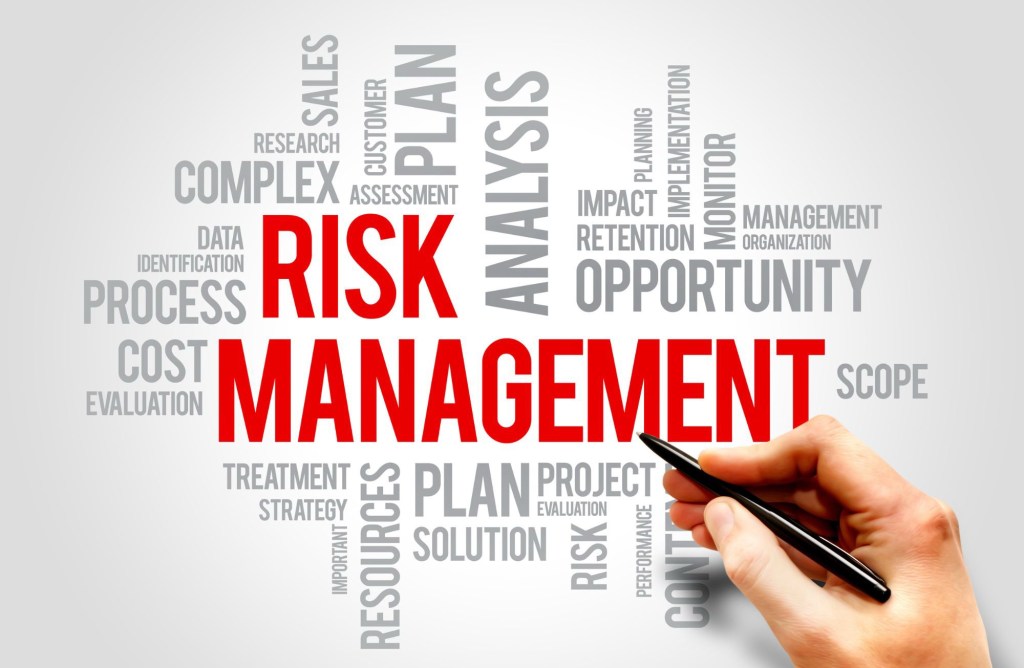
This is the kind of problem project management has spent decades building frameworks around, and the idea behind that is risk management. Before any work begins, a strong project team asks what could get in the way and what the plan is if it does. That upfront conversation is what separates a plan that holds under pressure from one that falls apart as soon as conditions change. It also connects to something I have been thinking about it lately: sequence and risk are closely related, and understanding how to build the right sequence before the work begins is what makes risk management possible.
The point of risk management is not to assume everything will go wrong, its a proactive step you take to think well ahead so that you are prepared for any shifts that change your current steps. A simple way to do that is to follow a five step approach: identify what could get in the way, assess how likely it is, decide what matters most, build a response, and keep checking in as things change. That might look like leaving room in your schedule, building a backup into your plan, or deciding in advance what you can let go of if the week gets crowded. Whether you are managing a project at work or trying to keep your personal life from spiraling, the people who handle uncertainty best are usually the ones who already have room for it.
Risk Management is not about seeing the future perfectly, but about building plans strong enough to bend instead of break when reality shifts. The real power comes from asking what if early, so the work that defines success is never the first casualty of surprise. If this way of thinking about risk landed with you, stick around for more on making uncertainty work for you instead of against you. Subscribe to the newsletter or share this with someone who plans more than they prepare.
Image Credit: Annatodica from Getty Images, Canva Pro

 The Organized Middle
Leave a comment