Picture a holiday office party or a family gathering where someone organized a Secret Santa exchange. The rules were set, the names were drawn and everyone came prepared. Then somewhere between the planning and the day of, a change got made that a few people knew about but nobody announced to the group. Maybe the price limit shifted or someone swapped out of their pairing without thinking of the person who had been shopping for them. The people who knew adjusted quietly and the people who did not found out in the moment in front of everyone. The gift exchange still happened but the energy shifted in the room and it had nothing to do with the gifts.
I have felt that energy shift firsthand and not always in a setting as lighthearted as a holiday party. There was a point where I made a decision that felt straight forward to me and moved and moved on with the change without stopping to think about how it would land for the people it affected. It was not a malicious choice and the decision itself was not wrong but the friction that followed had nothing to do with what I had decided and everything to do with the fact that the people it touched found out after the face instead of being part of the conversation. That is a lesson that stays with you because repairing the dynamic after the fact takes significantly more energy than the two minutes it would have taken to loop someone in before you moved. It turns out there is a name for the practice of identifying who needs to be part of a decision before you make it and project management has been using it to protect plans and relationships for a long time.
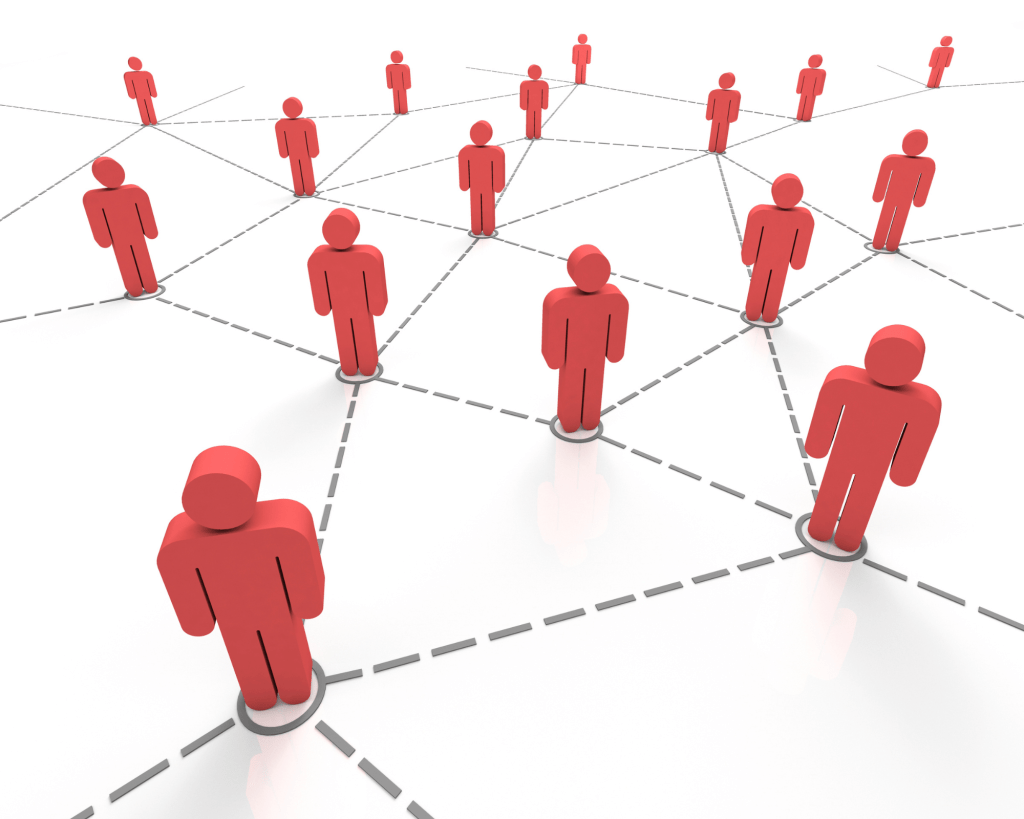
Stakeholder management is the framework project management built around exactly that problem and it starts earlier than you may expect. A stakeholder is anyone who is affected by a decision or has influence over how it lands and identifying them before the work begins is an important part of a successful strategy. The same way that asking what could go wrong before a plan starts protects the work from unexpected disruption, identifying who needs to be in the conversation before a decision is made protects the relationships that the work depends on. In engineering consulting firms this shows up constantly because there are so many players working on a project from engineers to architects to interior designers that one change that is not properly communicated can cost the project millions. The same thing happens in everyday life when a decision that only made sense from one angle gets made without considering the people sitting at a different one.
The good news is stakeholder management is not some corporate checkbox, it works just as well for the personal projects that actually matter to you. Research on infrastructure projects shows that poor stakeholder engagement tanks even technically perfect plans, often because people feel blindsided or left out. Here is how I use it in my own life, whether I am rolling out a work initiative or finally tackling that home reorganization: before anything moves, I grab a piece of paper and make two lists: who does this directly affect, and who has sway over how it goes down, even if they are not in the middle of it. Those lists almost never line up, and that gap is where the pushback usually starts brewing. So I talk to the people with the most influence first, one conversation at a time. It is nothing formal, just getting them on the same page before I tell everyone else. It’s the difference between a decision that feels smooth because people saw it coming, and one that turns into you explaining yourself all week.
Next time you are making a decision that affects others, whether it is leading a work project, planning a family trip, or reworking the household budget, pause and ask yourself these questions. Who will be most impacted by this? What has the influence to shape how it plays out? Have I spoken to them directly before moving forward?
If this approach to seeing the people behind your plans clicked for you, stick around for more on decisions that gain traction instead of resistance. Subscribe to the newsletter and share this with someone whose next project could use less pushback.
Image Credit: boygovideo from Getty Images, Canva Pro

 The Organized Middle
Leave a comment