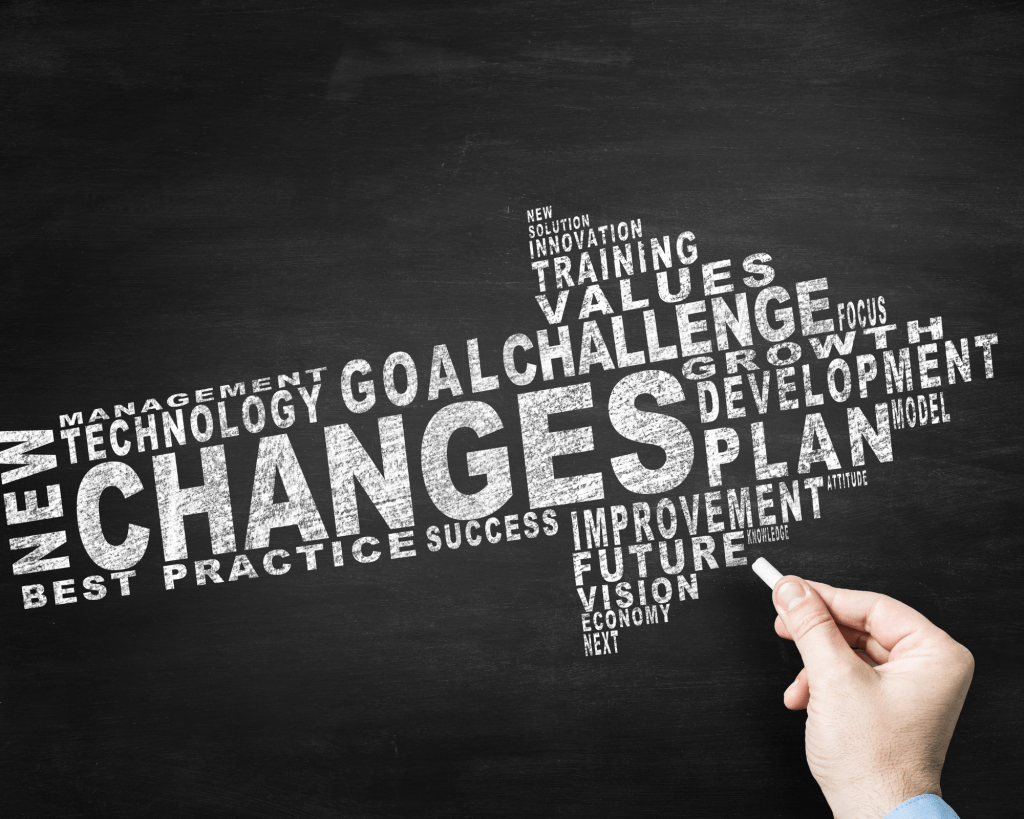
It is Monday morning and you just finished the weekly project meeting with the engineering team. The goal of this meeting is simple: review project deliverables due in the next week, see if anyone needs help , and check who has space to support other projects. By the end, everyone is clear on what their time needs to go to keep everything on track. Then later that afternoon, an email comes in from a client asking if their deliverable can be ready sooner than they last communicated. They now want it by this Friday instead of the following Monday. Naturally, it creates a bit of a panic for everyone involved: the admins, the engineers, you. The project work you had laid out for the week now has to shift while ensuring no other deadlines are affected. Moving this request to the front pushes other work to the edges, and suddenly both the admin team and engineers are working with urgency and added stress no one anticipated.
Timelines shift and priorities change and that is just part of working in a consulting environment. What wears you down is when the change shows up later, after you already built a plan around multiple deadlines that have different disciplines working on them while they also work on other projects. You see this outside of work as well, flights get cancelled or adjusted after you had already booked or arranged rides, a professor updates the syllabus, or a friend tries to reschedule an event you guys took a while to figure out. Change is happening all the time in our live whether we like it or not and learning how to manage it is the key.
Good change management starts with learning how to navigate by asking a few questions. In the client deadline example, you would ask: “What project work can be pushed out until next week? Who all needs to be made aware of this shift? What can we realistically promise the client?” It connects to something I wrote about recently because knowing which tasks actually needs to move first is what keeps a sudden change from taking everything else down with it. Resisting and focusing on the negative impact of changes is often our first instinct as humans, but a smoother transition happens when we deliberately look for solutions to the issues at hand instead of staying stuck on how unfair the change feels.
Handling change well is less about having all the answers and more about not letting it blindside everyone at the same time. When the deadline shifts, the first move is to name the change, who is affected directly and secondary, and communicate with all of those people so you can all work proactively on rearranging your project work for the week. According to Michigan State University’s resource on change management, being prepare for change before it arrives it what separates a smooth transition from a stressful one. A few things that actually help: communicate the reason behind the change and not just the new deadline, identify who owns what under the updated timeline, and create at least one small win early so the team feels like they are moving forward instead of just absorbing a hit. Those three things do not require a formal process. They just require someone deciding to do them before the ripple gets too wide to manage.
Think about the last time something shifted around you at work or in your personal life and the way it landed had more to do with how it was communicated than the change itself. Was there someone who handled it in a way that made it feel manageable? Or did it land all at once with no context and leave everyone scrambling to catch up? The next time something changes on your end, whether it is a deadline, a plan, or an expectation, try naming it out loud before it reaches the people it affects. Share this post with someone who is in the middle of a transition right now and follow The Organized Middle for more on bringing this kind of thinking into your everyday work.
Image Credit: Warchi from Getty Images Signature ,Canva Pro










Leave a comment